


Diwali, also known as Deepavali, is one of the most celebrated Hindu festivals, symbolizing the victory of light over darkness, good over evil, and knowledge over ignorance. It is celebrated with great enthusiasm not only in India but also by Hindu, Sikh, Jain, and some Buddhist communities worldwide. Diwali typically falls in October or November, coinciding with the new moon in the Hindu month of Kartik.

Significance of Diwali
The festival has deep cultural, spiritual, and historical significance, with different legends and meanings attached to it across regions and communities:
- Return of Lord Rama:
- In Hinduism, Diwali marks the return of Lord Rama to Ayodhya after 14 years of exile, during which he defeated the demon king Ravana. The people of Ayodhya welcomed him by lighting diyas (oil lamps), which has become a symbolic gesture of Diwali celebrations.
- Goddess Lakshmi:
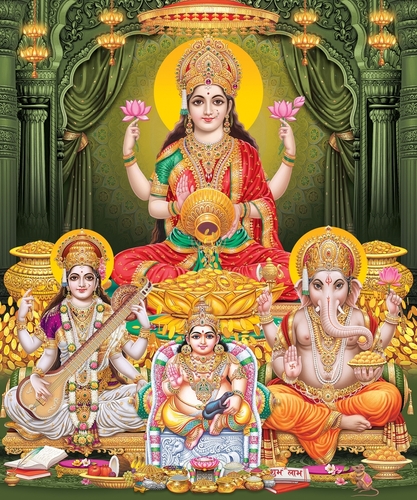
- Diwali is also associated with the goddess of wealth, Lakshmi, and people perform Lakshmi Puja (prayers) on this day to invite prosperity, abundance, and good fortune into their homes.
- Lord Krishna and Narakasura:
- In some regions, Diwali celebrates Lord Krishna’s victory over the demon Narakasura, representing the triumph of good over evil.
- Mahavira Nirvana:
- For Jains, Diwali marks the day when Lord Mahavira, the 24th Tirthankara, attained Nirvana (spiritual liberation). Diwali is thus a time of spiritual significance and meditation for Jains.
- Sikh Celebration of Bandi Chhor Divas:
- Sikhs celebrate Diwali as Bandi Chhor Divas, commemorating the release of Guru Hargobind from imprisonment and his return to Amritsar.
Traditions and Customs
Diwali is celebrated over five days, each with unique significance and customs:
- Day 1: Dhanteras – This is the first day, dedicated to wealth and prosperity, when people buy gold, silver, or new items for their homes.
- Day 2: Naraka Chaturdashi (Choti Diwali) – Symbolizing the slaying of Narakasura by Krishna, it’s a day for cleansing, both physically and spiritually, to remove negativity.
- Day 3: Lakshmi Puja (Main Diwali Day) – The main day of Diwali, where families gather for Lakshmi Puja in the evening, light oil lamps, and decorate their homes with rangoli (colorful floor designs). Fireworks, sharing sweets, and exchanging gifts are common on this day.
- Day 4: Govardhan Puja – In some regions, this day celebrates Lord Krishna lifting Mount Govardhan to protect the villagers from torrential rains. People make offerings of food to honor this act.
- Day 5: Bhai Dooj – The last day of Diwali, which celebrates the bond between brothers and sisters. Siblings exchange gifts and blessings to honor family ties.
Cultural Significance
Diwali is marked by gatherings with family and friends, sharing sweets, exchanging gifts, decorating homes with lights, rangoli, and flowers, and enjoying elaborate feasts. Each custom emphasizes the values of unity, sharing, and generosity, making Diwali a time of joy, hope, and positive beginnings.
This year’s Diwali is even more special for Hindu as after more than 500 years of wait Shree Ram Mandir in holy city of Ayodhya, Uttar Pradesh was open and its first time Diwali will be celebrated there…
